A wedding planning timeline is not about counting months backward from your wedding date. It’s about understanding how decisions build on one another, and how timing affects cost, availability, and stress levels.
Couples who feel overwhelmed often aren’t making bad choices. They’re making good choices at the wrong time. The result is rushed decisions, limited options, and unnecessary pressure. A thoughtful wedding planning timeline gives you breathing room. It helps you plan with intention instead of reacting to deadlines.
At its core, a wedding planning timeline outlines the key phases of planning and the types of decisions that belong in each phase. It typically includes when to secure the venue and vendors, when to focus on design and guest experience, when to finalize logistics like layouts and timelines, and when to shift from planning into coordination. Instead of listing every task at once, it organizes decisions so they happen in a logical order, making the entire process feel manageable rather than overwhelming.
This guide walks through the full timeline for planning a wedding, explaining what to focus on at each stage, why it matters, and how to move forward without overloading yourself.

Before You Start: What a Wedding Planning Timeline Really Does
Before breaking the process into months or milestones, it helps to understand what a wedding planning timeline is actually meant to solve.
At its best, a wedding planning timeline creates order. It helps couples make decisions in a sequence that makes sense, so early choices support later ones instead of creating roadblocks. Rather than juggling everything at once, you’re focusing on the right priorities at the right time.
A well-structured wedding planning timeline helps you:
- Prioritize foundational decisions first, such as the venue and guest count, so everything else aligns naturally
- Avoid vendor scheduling conflicts by booking key services before availability becomes limited
- Manage costs more evenly, spreading expenses over time instead of facing large, last-minute payments
- Protect creativity, giving you space to design thoughtfully instead of rushing under pressure
This isn’t a rigid checklist meant to box you in. Think of it as a flexible framework that adjusts to your wedding size, season, cultural traditions, and personal style, keeping planning focused, calm, and intentional from start to finish.
12+ Months Out: Setting Direction Without Locking Yourself In
The earliest phase of a wedding planning timeline should feel open, not restrictive. This is when you define direction, not details.
Instead of asking “What exactly do we want?” ask:
- What kind of experience do we want guests to have?
- How formal or relaxed should the celebration feel?
- Are we planning something intimate or large-scale?
Key actions during this phase:
- Establish a realistic budget range (not a final number)
Early budgeting is about setting boundaries, not locking in exact figures. A range gives you flexibility as you explore venues and vendors, helping you understand what’s possible without forcing early compromises. - Estimate guest count tiers (100–150, 200–250, etc.)
You don’t need a finalized list yet, but rough tiers help you compare venues and pricing more accurately. Guest count directly impacts venue size, catering costs, and overall flow. - Identify preferred seasons or months
Choosing a season instead of a single date increases availability and often provides better options. It also helps align expectations for style, lighting, and overall atmosphere. - Begin venue research
This is the right time to explore different venue types, layouts, and service models. Focus on spaces that fit your guest count and vision, and take note of what’s included versus what requires outside coordination.
At this stage, flexibility is your biggest asset. Couples who rush to finalize everything early often limit themselves later.

9–11 Months Out: Anchoring the Wedding Planning Timeline
Once you reach this point in the wedding planning timeline, it’s time to secure the decisions that everything else depends on. This phase sets the structure for the months ahead and determines how smoothly planning will unfold.
The venue becomes the anchor of your wedding. It influences nearly every other decision, including:
- Date availability, especially for high-demand seasons
- Vendor access, since many vendors plan around venue schedules
- Layout possibilities, from ceremony flow to reception seating
- Guest movement and comfort throughout the event
- Décor scale, lighting options, and overall visual impact
This is also the stage where couples begin to see the value of an all-inclusive venue. When catering, rentals, staffing, and coordination are handled in-house, multiple decisions are secured at once. Instead of managing several separate bookings, you lock in a cohesive plan that keeps the wedding planning timeline streamlined and predictable.
After the venue is confirmed, couples typically secure:
- Catering (if not already included)
- Photography and videography
- Entertainment
- Planner or coordinator, if not provided by the venue
Why this matters: vendors build their calendars far in advance. Waiting too long reduces both availability and flexibility. Understanding how to plan a wedding timeline means recognizing when timing protects your options and when an all-inclusive approach can simplify the process by reducing the number of moving parts early on.
6–8 Months Out: Designing the Wedding Experience
This is where planning becomes creative, and where many couples finally start to enjoy the process. Now that logistics are in place, the wedding planning timeline naturally shifts toward design and guest experience.
Focus areas include:
- Visual direction (colors, textures, lighting)
- Entertainment flow (cocktail hour, reception pacing)
- Menu structure and service style
- Emotional moments you want to highlight
Rather than planning décor item by item, think in scenes:
- How does the room feel when guests enter?
- What changes when dinner transitions into dancing?
- Where are the moments people will remember most?
This approach keeps the planning cohesive instead of fragmented.

4–5 Months Out: Turning Vision Into Structure
This stage of the wedding planning timeline is where inspiration meets reality. The ideas you’ve been collecting now need to work within the physical space, the guest count, and the event flow.
Decisions made here directly affect how the day moves and how guests experience it. You’ll begin shaping the structure of the celebration by addressing:
- Preliminary floor plans
These determine how the room functions: where guests gather, how the dance floor connects to dining, and how transitions feel throughout the evening. - Seating strategies
Beyond who sits where, this is about balance. Thoughtful seating supports conversation, visibility, and smooth service. - Vendor arrival schedules
Coordinating arrival and setup times prevents overlap, congestion, and last-minute confusion. - Guest communication plans
This includes how and when guests receive important details, such as arrival times, dress expectations, or parking information.
Helpful tasks during this phase include:
- Narrowing the guest list as RSVPs begin to take shape
- Reviewing space usage with the venue, ensuring layouts support both comfort and energy
- Identifying potential bottlenecks, such as bar access, entrances, or transitions between moments
- Beginning to outline the wedding day schedule, focusing on flow rather than exact minutes
This is also the point where a wedding planning timeline checklist becomes especially useful. Not as a source of pressure, but as a way to confirm that the vision you’ve created can be executed smoothly, without surprises on the day itself.
2–3 Months Out: Coordination and Confirmation
This is the phase of the wedding planning timeline where uncertainty fades, and confidence takes its place. By now, the big-picture decisions are behind you. The focus shifts from what you’re doing to how it will unfold.
Rather than making new choices, you’re confirming details and aligning everyone involved. This is when planning becomes execution.
Typical priorities during this stage include:
- Final menu selections, confirming courses, service style, and any dietary needs
- Final attire fittings, ensuring comfort, movement, and timing for the day
- Vendor confirmations, reviewing arrival times, setup needs, and responsibilities
- Drafting the detailed day-of schedule, outlining key moments without overloading the timeline
A step-by-step wedding planning timeline becomes especially valuable here because every confirmation reduces the chance of last-minute confusion. The goal is alignment: making sure the venue, vendors, and anyone supporting you are all working from the same plan, with no assumptions left unspoken.

The Final Month: Simplifying, Not Adding
The last 30 days of the wedding planning timeline should feel quieter than the months before it. This is not the time to reinvent the event; it’s the time to protect what you’ve already built.
Instead of adding new ideas, focus on closing loops and reducing mental clutter:
- Final walkthroughs with the venue to confirm layouts and flow
- Seating chart completion, based on confirmed RSVPs
- Sharing the finalized timeline with vendors and key participants
- Packing personal items and essentials, from attire to ceremony details
- Delegating responsibilities, so you’re not the point person for every question
Couples who try to redesign their wedding in the final month often create stress without meaningful improvement. Simplification is what allows the celebration to feel intentional and calm.
The Final Week: Trust the Timeline You Built
The week of the wedding is not about managing logistics; it’s about letting go of them. A well-structured wedding planning timeline allows professionals to do what they do best. Vendors follow the schedule. Coordinators manage transitions. The venue oversees flow and timing.
Your role shifts from planner to participant. Instead of checking details, you focus on being present, connecting with family, enjoying quiet moments, and preparing emotionally for the day ahead.
If something needs to change, the timeline acts as a guide rather than a source of stress. Because every key moment has already been planned with intention, small adjustments can be made without disrupting the flow of the day. Vendors know where flexibility exists, the venue understands how to shift timing if needed, and you’re not forced to make decisions on the spot. That’s the real value of planning ahead: it gives you options, confidence, and the ability to respond calmly instead of reacting under pressure.
Why Indoor Venues Support a Smoother Wedding Planning Timeline
The type of venue you choose has a direct impact on how predictable your wedding planning timeline feels. Indoor venues often simplify planning by reducing variables that can disrupt timing. They typically offer:
- Controlled lighting and climate, keeping schedules consistent
- Built-in layouts, minimizing setup changes
- Centralized services, reducing vendor coordination complexity
- Fewer weather-related adjustments, eliminating backup timelines
For couples learning how to plan a wedding timeline efficiently, this stability helps prevent last-minute changes and keeps the final weeks focused and calm.
A Practical Wedding Planning Timeline Checklist
Think of this checklist as a confirmation tool, not a to-do list. It’s meant to reassure you that the essentials are in place.
- Venue secured
- Vendors confirmed
- Guest list finalized
- Layout approved
- Timeline shared with all key parties
A wedding planning timeline checklist works best when it reinforces clarity, not urgency.
When the Timeline Works, the Wedding Feels Effortless
A wedding planning timeline is not about perfection. It’s about flow. When decisions are made at the right time, planning feels steady rather than stressful. You stay present in the process instead of constantly racing toward the date or second-guessing what comes next. Each phase builds on the one before it, creating momentum rather than pressure.
The best weddings aren’t rushed or overmanaged. They’re paced. Timing allows space for meaningful moments, thoughtful details, and genuine enjoyment, both during planning and on the wedding day itself. When everything is aligned, the celebration feels natural.
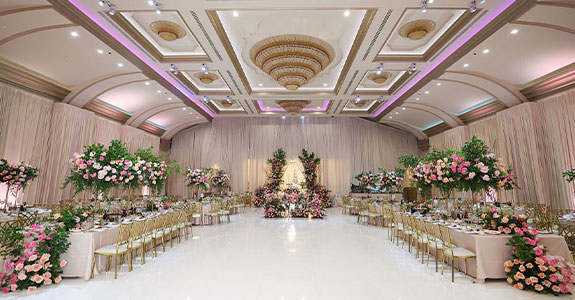
This is where the right venue makes a real difference. At Palladio Banquet Hall, couples often notice how much easier the planning process feels when the space, services, and coordination work together. A clear timeline paired with an experienced venue team allows couples to focus less on logistics and more on the experience they’re creating.
A clear wedding planning timeline gives you room to enjoy the journey, not just the day. If you’re ready to see how a well-designed space can support your planning from start to finish, scheduling a tour at Palladio Banquet Hall is a great place to begin.
Frequently Asked Questions About a Wedding Planning Timeline
How far in advance should couples start their wedding planning timeline?
Most couples begin their wedding planning timeline 12 to 14 months before the wedding date. This window allows time to explore venues, compare vendors, and make thoughtful decisions without pressure. Shorter timelines are possible, but they often require more flexibility with dates, guest count, and vendor availability.
Can a wedding planning timeline change after booking the venue?
Yes, and it often does. Once the venue is secured, couples may adjust the timeline to match vendor availability, cultural traditions, or personal schedules. A good timeline is flexible enough to adapt while still keeping major milestones on track.
How does guest count affect the wedding planning timeline?
Guest count influences almost every part of the timeline. Larger weddings usually require earlier venue booking, longer RSVP windows, and more time for seating and layout planning. Smaller weddings may move faster, but still benefit from early structure.
Is it possible to plan a wedding without a formal wedding planning timeline?
It’s possible, but not recommended. Without a wedding planning timeline, couples often make decisions out of order, which can limit options and increase costs. A timeline keeps planning organized and reduces last-minute stress by showing what needs attention at each stage.
Who should manage the wedding planning timeline as the date gets closer?
As the wedding approaches, responsibility should shift away from the couple. Many couples rely on a planner, coordinator, or venue team to manage timing and communication. This allows the couple to focus on enjoying the experience rather than overseeing logistics during the final weeks.