Money saving tips for your wedding are not about shrinking your vision. They are about controlling structure, timing, and priorities before costs control you. Couples don’t overspend because they lack discipline. They overspend because decisions happen emotionally and out of order.
If you want to focus on saving money for a wedding, the smartest move is to understand where wedding costs expand naturally and how to manage them early. The goal is not to make your wedding cheaper. The goal is to make it intentional.
So what are the best tips for wedding money saving? Start by controlling your guest count, choosing the right venue structure, booking strategically based on season and flexibility, and making décor decisions that prioritize impact over volume. When you align your biggest expenses first, smaller costs become easier to manage.
Below are practical, strategic money saving tips for wedding planning that protect your budget while preserving the experience.

Start With Financial Structure Before Inspiration
Before you tour venues or meet vendors, you need a clear plan for how your money will move. Many couples fall in love with a space first and then try to reverse-engineer the budget afterward. That almost always creates pressure, because emotional decisions are harder to scale back than numbers on a spreadsheet.
If you’re asking yourself how to start saving money for a wedding, the answer begins with structure. Saving doesn’t start when you cut costs; it starts when you define your limits before commitments are made.
Start with these foundational steps:
- Set a realistic spending range, based on actual savings and expected contributions, not a number you hope will work
- Break your budget into core categories such as venue, catering, attire, décor, and entertainment, so you understand where money will concentrate
- Build a 5–10% contingency buffer from the beginning, not at the end, to absorb unexpected adjustments
- Identify your top three priorities, so you know where to invest confidently and where to scale back
When couples skip this process, every later decision becomes reactive. They adjust emotionally instead of strategically. Establishing financial clarity early is one of the most powerful money saving tips for your wedding, because it prevents overspending before it begins.
Guest Count Is the Silent Budget Multiplier
Nothing expands a wedding budget faster than the guest count. It’s not just about feeding more people; it’s about how every single cost scales alongside each additional name on the list.
Couples often focus on décor or vendor negotiations, but the real financial driver sits in the headcount. Each added guest quietly affects multiple categories at once:
- Catering costs, since most venues charge per plate
- Bar service volume, which increases alcohol and staffing needs
- Table rentals, linens, and place settings, often priced per person
- Staffing requirements, including servers, bartenders, and support staff
- Invitations, favors, and printed materials, which scale linearly
Reducing your guest list by even 15–20 people can shift thousands of dollars back into your budget. If you are serious about saving money for a wedding, this is often the first and most effective adjustment to make.
A slightly smaller guest list does not reduce the impact of your celebration. In many cases, it enhances it. Fewer guests can create stronger connection, more relaxed pacing, and the ability to invest more intentionally in food quality, lighting, or overall atmosphere instead of stretching your budget thin across too many seats.
Choose Venue Structure Carefully
Venue structure quietly determines how complicated and expensive your planning process becomes. It’s not just about the rental price. It’s about how many vendors you must coordinate, how many contracts you must track, and how many separate timelines must align.
Some venues provide only the physical space, leaving you responsible for sourcing catering, rentals, lighting, staffing, and coordination independently. Others offer bundled services that centralize those components under one agreement. When evaluating money saving tips for wedding planning, this distinction matters more than couples initially realize.
Vendor consolidation can significantly reduce hidden expenses and logistical strain. All-inclusive structures often:
- Eliminate outside rental fees, since tables, chairs, and core equipment are already provided
- Reduce coordination hours, because services are managed internally
- Prevent overtime surprises, with aligned vendor schedules
- Simplify payment timelines, limiting stacked deposits across multiple companies
This isn’t about chasing the lowest upfront price. It’s about reducing layers of complexity — and complexity is often where unexpected costs appear.
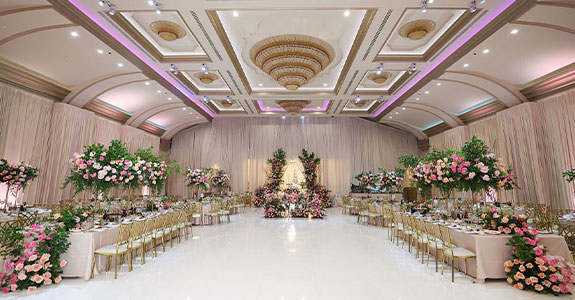
At Palladio Banquet Hall, the ballroom accommodates up to 500 guests, with high ceilings, crystal chandeliers, customizable lighting, and a spacious dance floor designed for large celebrations. Because catering, staffing, lighting, and coordination are handled within one structured system, couples often find that planning feels more predictable. Fewer outside vendors mean fewer overlapping responsibilities, which supports both financial clarity and smoother execution.
Choosing the right venue structure is one of the most practical money saving tips for your wedding, because it influences nearly every other decision that follows.
Book Based on Flexibility, Not Popularity
Saturday evenings in peak season are the most requested dates in the wedding industry. Because demand is high and availability is limited, venues and vendors price those dates at a premium. When couples compete for the same calendar window, typically late spring and early fall Saturdays, costs naturally rise.
If your schedule allows flexibility, this is where you can create meaningful financial movement without reducing quality.
Options that often lower total cost include:
- Friday evening weddings, which are less requested because guests may be traveling or working earlier in the day. Vendors often price Fridays lower than Saturdays due to reduced demand.
- Sunday celebrations, which are attractive for couples prioritizing budget over tradition. Sundays are frequently more available and may come with adjusted pricing.
- Winter or late summer dates, when fewer couples are planning outdoor weddings and overall demand decreases.
- Morning or brunch receptions, which shorten vendor hours and reduce bar and staffing costs.
These dates are not less desirable in experience; they are simply less conventional. Because demand is lower, venues have more calendar flexibility, and vendors face less booking pressure.
When couples ask how to start saving money for a wedding, adjusting the date often produces more financial impact than cutting décor details or negotiating small vendor discounts. Strategic flexibility can preserve the quality of your celebration while protecting your budget.

Focus Décor Where It Actually Matters
You do not need to decorate every surface to create atmosphere. One of the most effective money saving tips for your wedding is understanding where décor creates impact — and where it quietly drains budget without adding experience.
Instead of spreading your décor investment thin across every corner of the room, focus on elements that shape how the space feels:
- Invest in lighting first, since it transforms the entire room
- Create one strong focal point, such as a statement backdrop or installation
- Keep tables refined and consistent rather than overly layered
- Reuse ceremony décor during the reception when possible
Lighting, in particular, has an outsized effect in indoor venues. A thoughtful lighting plan can reduce the need for excessive florals or large custom builds while still creating drama and warmth.
If you’re exploring more detailed design strategies, our guide on indoor wedding decoration ideas breaks down how to prioritize impactful décor decisions without overextending your budget. Understanding how décor functions inside a ballroom makes it much easier to control spending while maintaining elegance.
Separate “Visible Impact” From “Behind-the-Scenes Costs”
One of the smartest money saving tips for your wedding is learning the difference between what guests truly experience and what only shows up in planning spreadsheets.
Every wedding has elements that directly shape how the event feels, and others that quietly inflate the budget without changing the overall atmosphere. The goal is not to eliminate details, but to prioritize the ones that create real impact.
Guests consistently remember:
- Food quality, including presentation and service
- Comfort, such as seating space, temperature, and accessibility
- Music and energy, especially how the dance floor feels
- Flow of the evening, including smooth transitions and timing
They rarely notice:
- Minor linen upgrades
- Designer charger plate variations
- Additional layers of printed signage
- Small decorative add-ons that don’t affect interaction
Allocating your budget toward experience-driven elements rather than minor visual upgrades is one of the most practical money saving tips for wedding planning. When guests feel well cared for and engaged, the celebration leaves a stronger impression than any extra decorative layer ever could.
Avoid DIY That Adds Hidden Costs
DIY can work for small personal touches. It becomes expensive when it replaces professional services. Hidden DIY expenses often include:
- Multiple supply purchases
- Trial runs
- Shipping delays
- Setup labor on wedding day
If you’re focused on saving money for a wedding, choose one or two meaningful DIY elements and keep core logistics professionally managed.
Manage Payment Timing, Not Just Total Cost
Many couples focus on the total wedding budget but overlook how payments are scheduled. The stress rarely comes from the final number alone: it comes from multiple large deposits and final balances due within the same short window.
Most vendors require a deposit at booking, followed by structured payments leading up to the event. When several major vendors are booked close together, those deposits can stack quickly and strain cash flow. That’s why managing timing is one of the most overlooked money saving tips for your wedding.
To stay in control financially:
- Map vendor payment schedules early, even before signing contracts
- Space out bookings strategically, so large deposits don’t hit in the same month
- Track final balances at least six months out, so you’re not surprised by due dates
- Plan income around payment milestones, especially if bonuses or tax returns are expected
When thinking about how to start saving money for a wedding, don’t focus only on how much you need. Focus on when you’ll need it. Financial pressure often comes from timing, not the total cost, and managing that timing keeps the planning process steady instead of overwhelming.
Negotiate Scope, Not Just Price
When couples think about negotiation, they often focus on asking vendors to lower their rates. But most professional vendors have fixed pricing structures. Instead of pushing for discounts, a more effective strategy is adjusting the scope of services. This means keeping the vendor, but refining what is included.
For example, instead of asking for a lower catering price, you might ask:
- Can guest count tiers adjust the per-person rate?
- Are there seasonal menu options that reduce cost?
- Can late-night snacks be removed or simplified?
Instead of requesting a décor discount, consider:
- Can certain rental items be removed from the package?
- Is there a smaller floral design option?
- Can lighting be scaled rather than expanded?
For bar service, ask:
- Can bar hours be slightly shortened?
- Is there a limited selection option instead of a premium package?
This approach keeps relationships positive because you’re not asking vendors to lower their value; you’re adjusting the level of service to fit your budget. It’s one of the most practical money saving tips for your wedding, because it controls costs without compromising quality or creating tension.
How All-Inclusive Venues Help You Save Money
One of the most overlooked money saving tips for your wedding is simplifying how many moving parts you manage. The more vendors involved, the more deposits, delivery fees, staffing hours, and coordination time accumulate. Costs don’t rise only from luxury upgrades; they rise from complexity.
All-inclusive venues reduce that complexity by consolidating major services under one structure. Instead of booking space, catering, rentals, lighting, and staffing separately, couples secure multiple core elements in one agreement.
This can reduce costs in several practical ways:
- Fewer outside rental fees for tables, chairs, linens, and equipment
- Less vendor overlap, which minimizes duplicate staffing charges
- Reduced coordination time, lowering planning-related expenses
- Clearer payment schedules, preventing stacked deposits
Because services are integrated, scheduling conflicts and overtime surprises are less likely. When catering, lighting, and room setup are aligned internally, timing stays tighter and labor hours stay controlled.
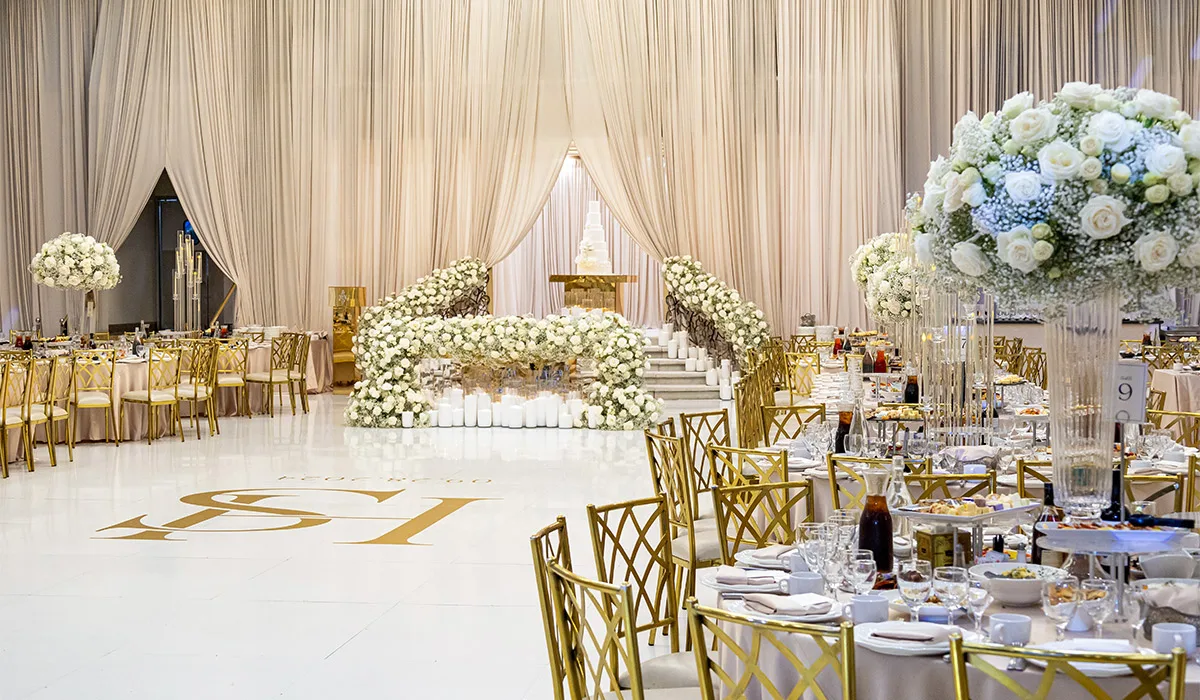
At venues like Palladio Banquet Hall, where the ballroom, catering, lighting, staffing, and coordination operate within one structured system, couples often find budgeting more predictable. Instead of juggling five separate contracts, they manage one organized framework. That clarity helps prevent hidden costs and protects the overall spending plan.
Choosing an all-inclusive structure doesn’t automatically mean cheaper; it means fewer financial surprises. And avoiding surprises is one of the most powerful money saving tips for wedding planning.
Prevent Last-Minute Budget Creep
Most wedding budgets don’t collapse at the beginning. They unravel in the final 30 to 60 days. This is when excitement peaks and small upgrades feel harmless. But late additions are rarely small. They often come with rush fees, expanded labor hours, or contract adjustments that increase overall cost.
Common final-month additions include:
- Extended bar hours, which increase alcohol, staffing, and overtime fees
- Additional lighting, often added after realizing the room feels different at night
- Specialty rentals, such as upgraded chairs or extra décor pieces
- Expanded guest lists, which affect catering, seating, and staffing
These decisions happen quickly because the event feels close. However, protecting your earlier financial plan is one of the most important money saving tips for your wedding.
The key is committing to your core decisions early and treating them as final unless there is a meaningful reason to change them. Discipline during the last month often determines whether couples stay within budget or exceed it.

Build a Realistic Saving Plan
If your wedding is more than six months away, the most powerful financial tool is consistency. Many couples feel overwhelmed by the total number, but weddings are rarely paid in one lump sum. They are paid gradually over time.
If you are serious about saving money for a wedding, approach it like a structured savings goal rather than a vague intention.
A practical strategy includes:
- Opening a separate wedding savings account, so funds are not mixed with everyday spending
- Automating monthly transfers, even if the amount feels modest
- Temporarily reducing discretionary expenses, such as dining out or subscriptions
- Directing bonuses, tax refunds, or gifts straight into wedding savings
Small, consistent deposits reduce pressure dramatically over time. Instead of scrambling when vendor balances are due, you build financial breathing room steadily.
When couples ask how to start saving money for a wedding, the answer is rarely dramatic. It’s systematic. And systematic saving creates stability long before the wedding day arrives.
Plan With Clarity, Celebrate With Confidence
Wedding spending only becomes stressful when it feels reactive. The strongest money saving tips for your wedding are not about cutting everything back. They’re about making early decisions that protect your priorities and prevent financial pressure from building quietly in the background.
When you control guest count, choose structured vendor arrangements, focus on atmosphere instead of unnecessary upgrades, and manage payment timing strategically, you create flexibility within your budget. That flexibility allows you to say yes to what matters most, and confidently decline what doesn’t.
Saving intentionally doesn’t diminish your celebration. It strengthens it. When finances feel organized, couples stay present in the planning process and, more importantly, on the wedding day itself.
If you’re exploring venues and want to see how structure and all-inclusive support can simplify both budgeting and logistics, scheduling a tour at Palladio Banquet Hall is a helpful next step. Seeing the ballroom, understanding what’s included, and reviewing how planning is organized in one place often brings clarity to both design and financial decisions.
Because the best weddings aren’t defined by how much was spent, they’re defined by how well everything came together.
Frequently Asked Questions
How much should couples save before booking major vendors?
Ideally, couples should have enough saved to cover the venue deposit and one additional major vendor. This prevents financial strain during the early planning stages.
Is it smarter to extend the engagement to save more?
For some couples, yes. Extending the timeline can reduce pressure and allow more comfortable saving patterns, especially if preferred venues require larger deposits.
How do couples handle family contributions without conflict?
Clear written agreements help. Define what is being covered and who controls decisions tied to that contribution.
Should couples create separate emergency funds outside the wedding budget?
Yes. Wedding savings should not replace personal emergency funds. Keeping them separate prevents stress if unexpected life events occur.
What wedding expense is most commonly underestimated?
Service charges and staffing fees are frequently underestimated. Couples should review contracts carefully to understand final totals.